Why Successful People Still Feel Stuck in Life
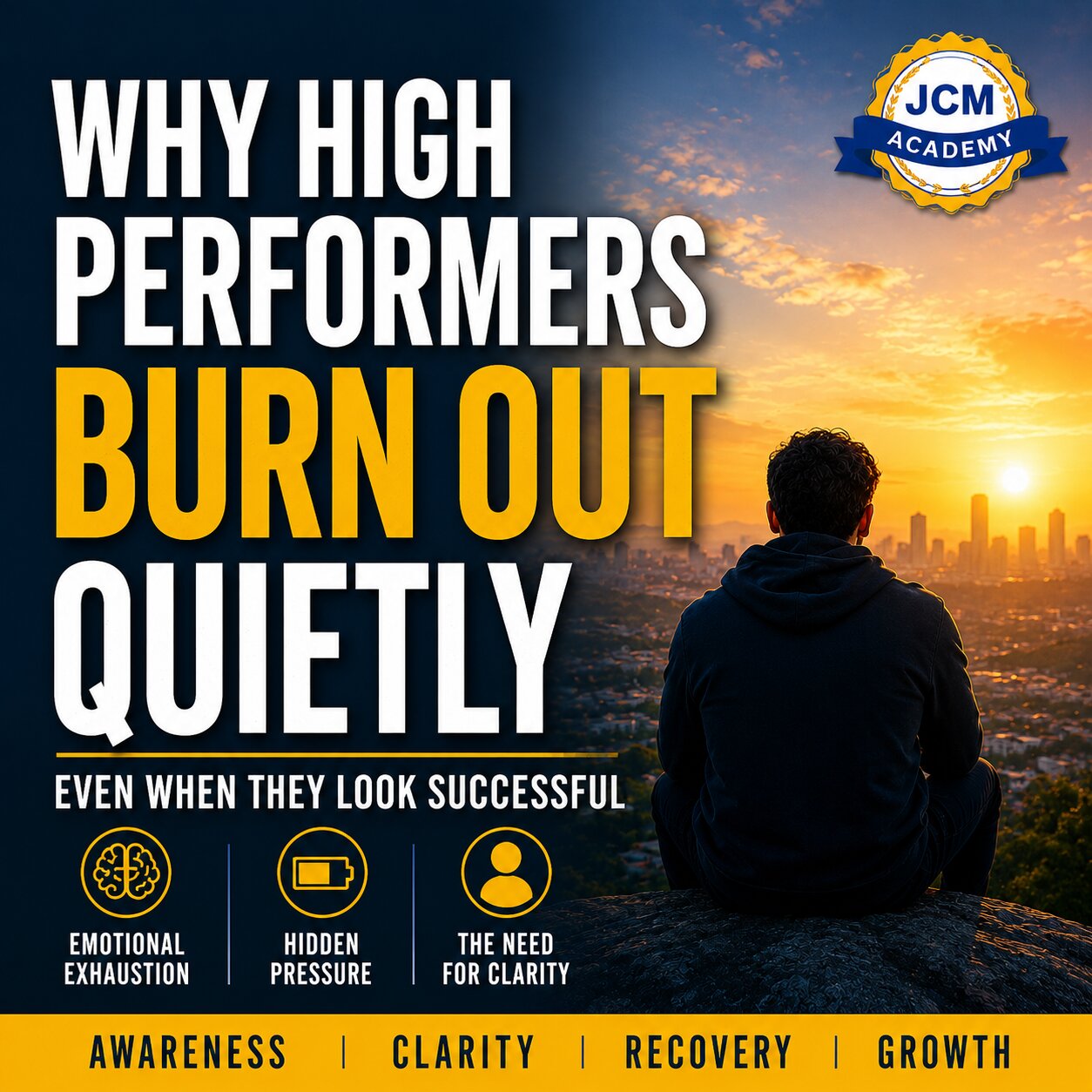
Why Successful People Still Feel Stuck in Life
Many people today appear successful externally while feeling emotionally stuck internally.
From the outside, their lives may look productive, stable, accomplished, and even admirable.
They may have careers.
Responsibilities.
Professional achievements.
Families.
Businesses.
Leadership roles.
Goals they once worked hard to reach.
Yet despite all of that movement, many people still experience a quiet internal feeling that something feels disconnected.
Not necessarily broken.
Just off.
This feeling is becoming increasingly common among professionals, entrepreneurs, leaders, educators, creators, business owners, healthcare workers, and high performers who continue to function externally while internally questioning whether their lives still feel aligned with meaning, clarity, energy, or direction.
For many individuals, this emotional disconnect can feel confusing because nothing appears dramatically wrong from the outside.
Bills may be paid.
Responsibilities may be handled.
Schedules may remain full.
Progress may still be happening.
But internally, something feels emotionally disconnected from purpose, fulfillment, motivation, or clarity.
This emotional experience is more common than many people realize.
And one reason it becomes difficult to identify is that emotional stagnation often develops gradually rather than suddenly.
Most people do not wake up one morning suddenly feeling completely disconnected from themselves or their direction in life.
Instead, the feeling often develops quietly over time through prolonged stress, emotional exhaustion, burnout, unresolved pressure, constant productivity, emotional suppression, lack of reflection, and years of functioning on autopilot.
Over time, movement continues externally while emotional connection slowly decreases internally.
This creates one of the most important modern conversations surrounding burnout, emotional awareness, intentional living, and sustainable performance.
Many people today are constantly on the move without feeling emotionally connected to their movement.
This emotional disconnect is further explored in Why Your Life Feels Off Even When Nothing Is Wrong, where the subtle emotional imbalance many people quietly experience beneath external stability is examined in greater depth.
Success Does Not Always Create Fulfillment
One of the biggest misconceptions modern culture promotes is the idea that success automatically creates fulfillment.
People are often taught:
achieve more
work harder
stay productive
keep pushing
keep building
keep accomplishing
While ambition itself is not inherently unhealthy, many people eventually discover that achievement alone does not automatically create emotional clarity or fulfillment.
A person can succeed professionally while feeling emotionally disconnected.
Someone can continue achieving goals while simultaneously questioning whether those goals still feel meaningful.
This realization can feel deeply confusing for high performers because many have spent years believing that success itself would eventually bring emotional satisfaction.
But fulfillment requires more than accomplishment alone.
It requires alignment.
It requires an emotional connection to the direction someone is moving toward.
Without alignment, many people continue functioning externally while quietly feeling emotionally stuck internally.
This idea also closely connects with Why High Performers Burn Out Quietly Even When They Look Successful, where the hidden emotional exhaustion many successful individuals quietly carry beneath their external productivity is explored further.
Why Feeling Stuck Often Has Nothing To Do With Laziness
One of the most damaging misunderstandings surrounding emotional stagnation is the assumption that feeling stuck automatically means someone is lazy, weak, unmotivated, or failing.
In reality, many people who feel emotionally stuck are actually functioning at extremely high levels externally.
They continue:
working
leading
solving problems
supporting others
handling responsibilities
meeting expectations
maintaining schedules
Many are productive almost constantly.
The issue is not always a lack of movement.
Sometimes the issue is movement without emotional connection.
This distinction matters.
Many individuals continue trying to solve emotional exhaustion purely through increased productivity.
They assume:
“If I just work harder, I’ll feel better.”
“If I stay busier, this feeling will go away.”
“If I accomplish more, clarity will eventually return.”
Sometimes productivity temporarily distracts people from emotional exhaustion.
But distraction is not the same thing as resolution.
Without awareness, many people continue functioning while quietly becoming more emotionally disconnected over time.
This emotional exhaustion often develops alongside conversations about leadership burnout and emotional exhaustion, especially among professionals and high performers who carry constant pressure beneath the surface.
The Emotional Cost Of Constant Productivity
Modern culture often rewards constant productivity while rarely encouraging reflection, emotional awareness, intentional recovery, or stillness.
People are praised for:
being constantly available
working long hours
handling overwhelming pressure
responding immediately
never slowing down
always producing
Over time, this creates environments where many individuals begin associating their worth with constant output.
This eventually creates emotional consequences.
Because human beings are not designed to operate indefinitely without recovery, reflection, or emotional processing.
When people keep moving constantly without reconnecting to meaning, emotional fatigue often begins to build quietly beneath the surface.
Eventually, many individuals experience:
mental exhaustion
emotional numbness
loss of motivation
difficulty feeling present
reduced excitement
disconnection from purpose
persistent emotional fatigue
These feelings often confuse people because they may still appear productive on the surface.
But external productivity does not automatically reflect internal well-being.
This idea closely aligns with conversations about burnout, productivity, and performance, especially as more professionals begin to recognize the long-term emotional impact of constant pressure.
Why High Performers Often Struggle Quietly
High performers frequently struggle quietly because many have built identities around being dependable, productive, capable, and emotionally strong.
They become known as:
the reliable person
the leader
the achiever
the person everyone depends on
the problem solver
As a result, many high performers continue functioning long after emotional exhaustion has begun to affect them internally.
They suppress stress.
Push through fatigue.
Continue meeting expectations.
Continue showing up for others.
But beneath that movement, emotional strain continues growing quietly.
Many individuals eventually reach a point where they no longer feel emotionally connected to the pace they are maintaining.
And because they continue functioning externally, very few people recognize what is actually happening internally.
This is one reason emotional stagnation often feels isolating.
People assume:
“If I’m succeeding, why do I still feel disconnected?”
“If I’m productive, why do I still feel exhausted?”
“If my life looks stable, why do I still feel stuck?”
The answer often has less to do with external success and more to do with emotional alignment.
Why Reflection Matters More Than Ever
Modern life leaves very little room for reflection.
Most people spend enormous amounts of time reacting but very little time evaluating.
Without reflection:
Patterns continue automatically
habits become unconscious
emotional exhaustion quietly increases
movement disconnects from meaning
Over time, many people become disconnected from their priorities simply because they never pause long enough to examine them honestly.
Reflection changes perspective.
And perspective changes decisions.
When people begin slowing down long enough to examine their lives honestly, they often begin recognizing:
What consistently drains emotional energy
which routines no longer feel sustainable
where emotional resistance keeps appearing
What environments affect clarity
whether their pace feels healthy long term
This awareness becomes incredibly important because emotionally exhausting patterns rarely change automatically.
They usually continue until someone intentionally interrupts them.
Why Emotional Awareness Changes Everything
One of the biggest reasons many people remain emotionally stuck is that emotional awareness is often ignored.
People are taught how to improve productivity far more often than they are taught how to evaluate emotional alignment.
As a result, many individuals become highly skilled at functioning while quietly becoming emotionally disconnected internally.
Awareness changes that.
Awareness allows people to recognize:
What is emotionally draining them
What environments no longer feel aligned
where boundaries are needed
What pressures are unsustainable
whether movement still feels meaningful
Without awareness, emotional exhaustion often continues escalating quietly beneath the surface.
This is why intentional living matters so much today.
Intentional living is not about eliminating ambition or avoiding responsibility.
It is about reconnecting movement with meaning.
It is about understanding:
Why certain goals matter
whether priorities still feel aligned
where emotional exhaustion is developing
Why recovery matters
How pressure is affecting wellbeing
Without intentionality, many people drift into lifestyles entirely built around productivity.
Over time, emotional disconnection naturally follows.
Why So Many People Feel Emotionally Disconnected Today
There are many reasons emotional stagnation has become increasingly common in modern life.
People today are carrying:
constant stimulation
digital overload
workplace pressure
financial stress
emotional fatigue
social comparison
information overload
performance expectations
Many individuals are spending enormous amounts of time reacting while very little time reconnecting with themselves internally.
As a result, many people continue functioning externally while quietly losing emotional clarity internally.
This is one of the reasons conversations surrounding burnout, emotional exhaustion, sustainable performance, and intentional living are becoming increasingly important across:
corporate environments
leadership conferences
libraries
schools
colleges
professional organizations
community groups
healthcare systems
People are beginning to recognize that emotional well-being directly impacts:
clarity
decision making
leadership
communication
relationships
motivation
long-term performance
This is also why conversations surrounding Speaking That Drives Real Change continue to grow among organizations seeking healthier approaches to leadership, resilience, awareness, and sustainable performance.
The Difference Between Movement And Meaning
One of the biggest realizations many people eventually experience is understanding that movement and meaning are not automatically the same thing.
A person can stay busy constantly while quietly feeling emotionally disconnected from the direction they are moving toward.
This realization often creates confusion because modern culture teaches people to prioritize movement almost endlessly.
Move faster.
Accomplish more.
Stay productive.
Remain busy.
Keep performing.
But very few people are taught how to pause long enough to evaluate whether their movement still feels emotionally meaningful.
This creates one of the biggest emotional struggles many successful individuals quietly experience.
They continue functioning externally while internally questioning whether the pace, pressure, or direction still feels aligned with who they are becoming.
This is why emotional awareness matters so much.
Without awareness, many people continue repeating emotionally exhausting patterns automatically.
They continue moving without reconnecting to meaning.
Eventually, emotional numbness begins replacing emotional clarity.
Why Clarity Often Requires Slowing Down
Many people believe clarity appears through constant movement.
In reality, clarity often develops through reflection.
Stillness creates awareness that constant movement cannot.
When people finally slow down long enough to honestly evaluate their lives, they often begin recognizing:
What consistently drains them
What emotionally energizes them
What environments feel aligned
What relationships feel healthy
What priorities no longer fit their direction
This awareness becomes incredibly important because emotionally exhausting lifestyles rarely change automatically.
They continue until someone intentionally interrupts them.
This process is not about abandoning ambition.
It is about creating sustainable movement.
It is about reconnecting productivity with emotional well-being instead of separating them.
Why Sustainable Growth Matters
Sustainable growth requires more than constant output.
It requires:
clarity
awareness
recovery
emotional resilience
healthy boundaries
intentionality
Without these things, many people eventually reach emotional exhaustion regardless of external success.
This is one of the reasons conversations about emotional well-being, burnout awareness, leadership exhaustion, and intentional living are becoming increasingly important in professional environments today.
Organizations are beginning to recognize that emotionally exhausted people cannot sustain healthy performance indefinitely.
This recognition is influencing conversations across:
corporations
schools
universities
leadership conferences
libraries
Rotary clubs
nonprofits
community organizations
More people are beginning to understand that emotional well-being directly affects leadership effectiveness, communication, creativity, innovation, clarity, and long-term sustainability.
Rebuilding Clarity Starts With Awareness
Many people believe clarity arrives suddenly.
In reality, clarity is often rebuilt gradually through awareness.
Awareness creates the ability to recognize:
What no longer feels aligned
What patterns are emotionally exhausting
where energy is being drained
What environments affect well-being
What priorities actually matter
This process requires honesty.
Not perfection.
Many people spend years trying to outrun emotional exhaustion through productivity alone.
But eventually, emotional awareness becomes unavoidable.
The goal is not to stop being ambitious.
The goal is to create movement that still feels emotionally connected to meaning.
This is one of the reasons conversations surrounding emotional awareness, intentional living, leadership burnout, and sustainable performance are becoming increasingly important today.
Because many people are no longer simply searching for productivity.
They are searching for clarity.
Conversations Beyond The Article
These conversations surrounding burnout, emotional awareness, intentional living, emotional exhaustion, leadership pressure, sustainable performance, and personal growth continue beyond written articles alone.
Many of these themes are also explored through Inspirations for Your Life, where ongoing conversations focus on mindset, emotional awareness, leadership, resilience, intentional living, and sustainable growth.
Additional speaking and keynote information can also be found through Speaking That Drives Real Change, which focuses on helping organizations, leadership groups, schools, libraries, chambers of commerce, colleges, nonprofits, and communities reconnect with clarity, emotional resilience, awareness, and meaningful direction.
Readers interested in learning more about John C. Morley’s background, educational work, leadership conversations, and speaking experience can also visit About John C Morley.
These conversations also connect closely with themes explored throughout Drained to Driven, which focuses on burnout, rebuilding clarity, intentional awareness, emotional exhaustion, resilience, and reconnecting movement with meaning.
John C. Morley regularly speaks with libraries, chambers of commerce, Rotary clubs, schools, colleges, corporations, nonprofits, leadership groups, and professional organizations about burnout awareness, emotional exhaustion, leadership pressure, sustainable performance, resilience, clarity, intentional living, and emotional well-being.
Final Thoughts
Feeling stuck in life does not always mean someone is failing.
Sometimes it means they have been carrying emotional pressure for too long without enough reflection, awareness, recovery, or intentional alignment.
Many people continue functioning externally while quietly feeling emotionally disconnected internally.
Because they continue producing results, very few people recognize what is actually happening beneath the surface.
But emotional exhaustion does not simply disappear when productivity continues.
Eventually, the emotional weight surfaces.
Sometimes through frustration.
Sometimes through exhaustion.
Sometimes through emotional numbness.
Sometimes, there is a growing disconnect between movement and meaning.
These moments matter.
Not because they signal weakness.
But because they signal awareness.
And awareness creates the possibility for intentional change.
Sustainable growth requires more than constant movement.
It requires clarity.
And clarity begins with awareness.
Leave A Comment
Please login to add a comment!
Comments (0)